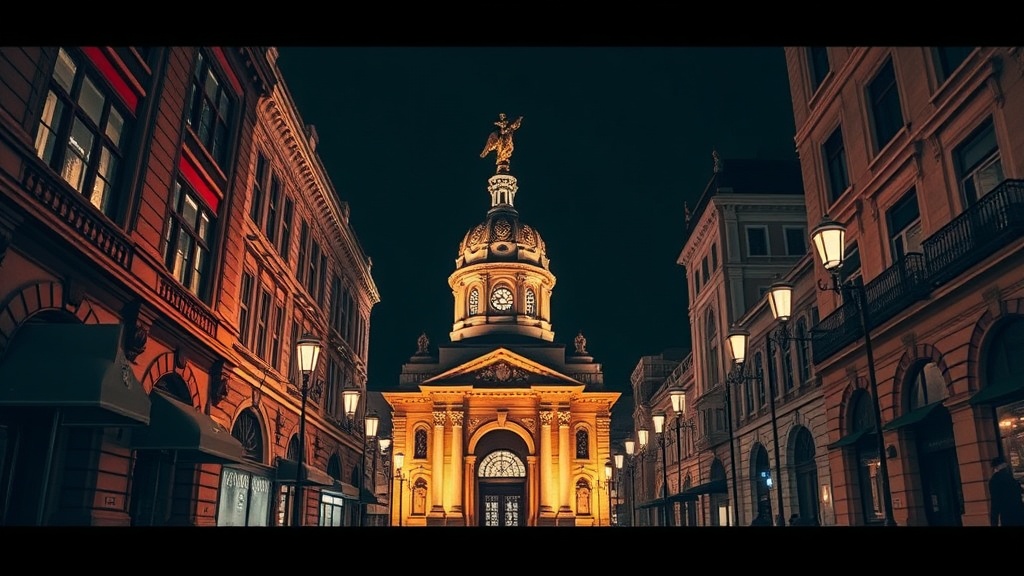
Beyond the Postcard: Unearthing Your City's Architectural Secrets

Why We Miss the Magic: Seeing Past the Obvious
Many urban dwellers walk through their cities day after day, glimpsing only the most prominent landmarks, the familiar storefronts, and the hurried flow of daily life. The misconception, often, is that discovering true urban beauty requires grand gestures—a specific destination, an expensive tour, or perhaps a deep dive into history books. But what if I told you that the most compelling architectural narratives, the ones that truly define a city's character, are often whispering from unassuming corners, just waiting to be noticed? This guide isn't about the iconic skyline everyone photographs; it's about shifting your perspective to reveal the rich, layered history and design marvels woven into the very fabric of your everyday environment. We'll explore how to train your eye, where to begin your search, and the simple resources that can transform your walks into profound explorations.
The truth is, our cities are dynamic canvases, constantly evolving yet retaining echoes of every era. From the ornate carvings above a nondescript doorway to the subtle variations in brickwork that tell tales of different building periods, these details are far more accessible than you might think. Recognizing them isn't just an aesthetic pursuit; it’s an act of civic engagement, a deeper connection to the place you call home. By learning to 'read' your city's architecture, you unlock a richer, more personal appreciation for its past, present, and the stories it continues to tell.
How Can You Train Your Eye for Urban Architectural Detail?
The first step in becoming an urban architectural detective is surprisingly simple: slow down. In our fast-paced lives, we're conditioned to move with purpose, often with our gaze fixed ahead or downward. To truly see the architectural nuances of your city, you need to cultivate what I call 'conscious dawdling'—allowing yourself the luxury of pausing, looking up, and examining your surroundings with genuine curiosity. Start by picking a single block you traverse regularly. Instead of rushing, dedicate ten minutes to simply observing.
What do you notice? Is there a particular building material that dominates? Are the windows uniformly rectangular, or do some feature arched tops or intricate leading? Observe the building facades. Many older structures, even those with modernized ground floors, retain stunning original details on their upper levels. Look for cornices, friezes, pilasters, and various types of decorative brickwork or stone carvings. These aren't just pretty embellishments; they often signify architectural styles like Art Deco, Victorian, or Beaux-Arts, each telling a story about the period in which they were built. Pay attention to repeating patterns, the rhythm of windows and doors, and how materials interact. You might find that seemingly utilitarian structures boast surprising flourishes, or that a building you've always dismissed as 'plain' actually holds subtle, elegant design choices.
Another excellent way to train your eye is through focused research before you even step outside. Familiarize yourself with common architectural terms and styles prevalent in your region. Understanding concepts like 'fenestration' (the arrangement of windows), 'buttresses,' or different column orders (Doric, Ionic, Corinthian) provides a vocabulary for what you're seeing. This knowledge enables you to move beyond simply noticing a 'fancy bit' to understanding its historical context and stylistic significance. Think of it as learning the grammar of your city's built language. A great starting point is exploring resources from organizations dedicated to architectural preservation—they often provide accessible glossaries and local examples that can serve as a vital primer.
Where Do You Even Begin Looking for Unexpected Urban Beauty?
Once your eyes are primed, the question becomes: where do you focus your attention to maximize discoveries? Forget the obvious tourist spots for a moment. Instead, start with areas that have experienced significant historical shifts. Old industrial districts, for example, often reveal fascinating transformations—former factories repurposed into lofts, their original robust brickwork and expansive windows repurposed but still telling tales of their past lives. Similarly, commercial streets that have seen generations of businesses come and go are treasure troves of layered architecture, where a 19th-century facade might peek out above a modern storefront.
Consider also the less-trodden paths: alleyways, courtyards, and the often-overlooked sides of buildings. While main thoroughfares are designed for impact, these secondary spaces can hold intimate details, forgotten murals, or unique structural elements that were never intended for grand public display but offer a glimpse into a building's functional or hidden beauty. Even public parks can be architectural sites, featuring thoughtfully designed pavilions, gates, or historical monuments that merge natural and built environments.
Another rich vein for exploration lies in buildings with distinct historical purposes that have since changed. Think of old post offices, banks, libraries, or municipal buildings. These structures were often built with a strong sense of civic pride and permanence, resulting in impressive craftsmanship and materials that stand out today. Their original design intentions—to convey authority, welcome citizens, or facilitate grand transactions—are often still visible, even if their current use is entirely different. Consulting local historical societies or even city planning archives can provide maps or lists of historically significant buildings in your area, guiding your feet to potential discoveries.
What Simple Resources Can Enhance Your Architectural Discoveries?
You don't need a degree in architectural history to deepen your understanding and enjoyment of your city's structures. There are several wonderfully simple resources that can amplify your discoveries. First and foremost, a good pair of walking shoes and a comfortable pace are invaluable. Beyond that, your smartphone is a powerful tool. Use its camera to capture details that intrigue you; later, you can zoom in, analyze patterns, or even use reverse image search to identify styles or periods. Many cities also have dedicated apps or online maps that highlight historical landmarks or architectural walking tours, providing curated routes and information right at your fingertips.
Beyond digital aids, consider engaging with local experts. Many cities host free or low-cost walking tours led by architectural historians, urban planners, or passionate volunteers. These tours can offer invaluable insights into the stories behind the buildings, helping you connect the visual details with historical context and human narratives. Even a quick search for local 'heritage days' or 'open house' events might reveal opportunities to access interiors of historically significant buildings, offering a perspective not usually available to the public. Websites like the