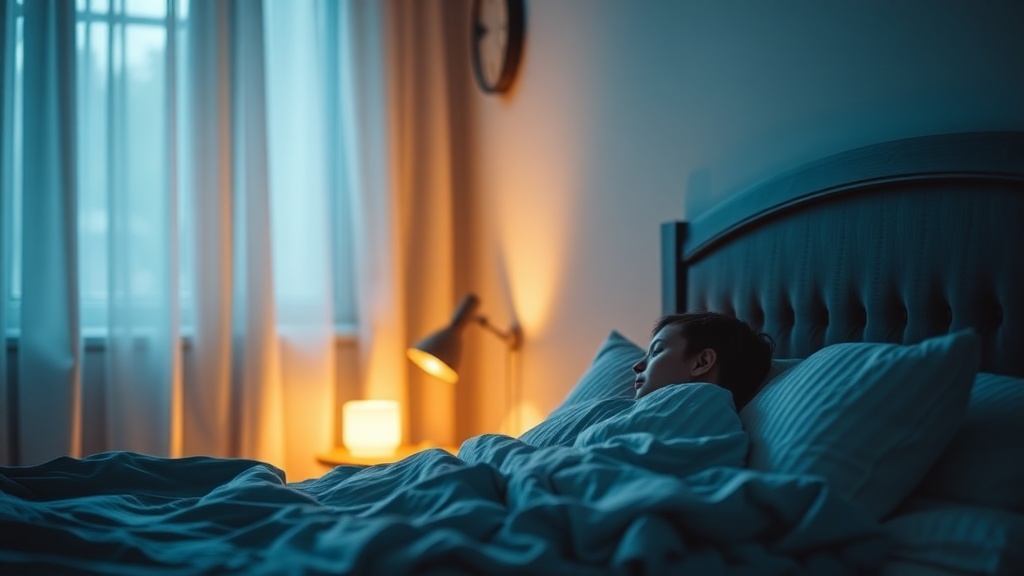
Create a Sensory-Friendly Evening Routine for Better Sleep

The streetlights outside flicker, a neighbor's car alarm chirps in the distance, and the hum of the refrigerator feels unusually loud. For many of us living in busy urban centers like Ottawa, the transition from a high-stimulation day to a restful night isn't automatic. It's often a struggle. This guide explores how to build a sensory-friendly evening routine by managing light, sound, touch, and scent to signal to your nervous system that it's time to shut down.
Modern city life is a constant assault on the senses. We spend our workdays staring at blue-light-emitting screens and our evenings navigating bright grocery store aisles or noisy transit. If you find yourself lying awake with your brain still "buzzing," it's likely because your environment hasn't shifted gears with you. A sensory-friendly routine focuses on reducing input to prepare your body for deep sleep.
How Can I Reduce Light Sensitivity Before Bed?
Reducing light sensitivity involves dimming overhead lights and switching to warm-toned lamps at least an hour before sleep. The goal is to minimize blue light, which suppresses melatonin production. Most experts suggest that even a small amount of bright light can disrupt your internal clock.
Start by auditing your lighting. If you have those bright, clinical LED bulbs in your living area, swap them out. I personally swear by the Philips Hue smart bulb system because it allows you to transition from bright white to a deep, amber glow via your phone. It's much easier than getting up to flip a switch when you're already feeling drowsy.
Here are a few ways to manage light exposure:
- Use Amber Lamps: Look for salt lamps or low-wattage incandescent bulbs that emit a warm glow.
- Smart Lighting: Program your lights to dim automatically at a set time (even 30 minutes before your actual bedtime).
- Blackout Solutions: If your apartment faces a street with bright streetlights, invest in heavy blackout curtains. This is a massive relief for light sleepers.
- Screen Discipline: If you must use a device, turn on the "Night Shift" feature on your iPhone or MacBook.
If you've already spent a lot of time perfecting your living space, you might find that your lighting setup impacts your mood. If you're interested in how your environment affects your focus during the day, check out my post on setting up a productive home office—the principles of light management actually carry over quite well.
What Are the Best Sounds for Sleep?
The best sounds for sleep are consistent, non-rhythmic, and low-frequency tones that mask sudden environmental noises. While some people love silence, a "dead" quiet room can actually make a single unexpected noise—like a heavy door slamming or a dog barking—feel much more jarring. This is why many people find "pink noise" or "brown noise" more effective than traditional white noise.
Think of white noise as the static on an old radio. It's high-pitched and can be a bit grating. Brown noise, on the other hand, sounds like a deep, low rumble—similar to the interior of an airplane or a distant thunderstorm. It provides a "blanket" of sound that covers up the sharp edges of city life.
Depending on your preference, you might try different methods:
- White Noise Machines: A dedicated device like the LectroFan provides a consistent sound profile that doesn't loop.
- Loop Earplugs: If you live in a noisy apartment building, high-quality earplugs like the Loop Quiet can significantly reduce ambient noise without being uncomfortable.
- Ambient Apps: Apps like Calm or Endel use scientifically backed soundscapes to help lower your heart rate.
The Wikipedia entry on white noise provides a deep dive into the physics of these frequencies if you're a science nerd like me. But for the rest of us, the goal is simple: find a sound that makes the world feel small and contained.
How Much Does a Sensory-Friendly Bedroom Cost to Set Up?
The cost of a sensory-friendly bedroom varies wildly depending on whether you are buying new furniture or simply adjusting what you already own. You can achieve a significant difference with almost zero budget, or you can invest in high-end-sensory tools.
| Level of Investment | Typical Items | Estimated Cost (CAD) |
|---|---|---|
| Budget-Friendly | Blackout curtains, eye masks, dimming existing lamps. | $30 - $100 |
| Mid-Range | White noise machine, smart bulbs, weighted blanket. | $150 - $400 |
| Premium | High-end ergonomic mattress, smart home automation, luxury linens. | $1,000+ |
Don't feel pressured to buy everything at once. Start small. A single $20 silk eye mask can be a massive improvement for someone sensitive to light. (Trust me, it's a game-changer for long flights too.)
How Do I Manage Tactile Sensitivity?
Tactile sensitivity is about the textures against your skin. As we get tired, our nervous systems often become more reactive to "itchy" or "scratchy" sensations. This is why a high-quality pajama set or a specific bed sheet can make or break a night.
If you find yourself tossing and turning because your sheets feel "wrong," look at the material composition. Synthetic blends often trap heat and feel slightly plastic-y. Natural fibers like cotton, linen, or bamboo are much more breathable and predictable. If you're a fan of a specific aesthetic, you might already have some of these items from finding thrifted gems for your apartment, but for sleep, I recommend buying new to ensure the thread count and softness are consistent.
A weighted blanket is another tool worth noting. These are designed to provide "deep pressure stimulation," which can help calm the nervous system. It's a physical sensation that helps ground you. Just ensure you check the Health Canada guidelines regarding weight limits and safety if you have any underlying health conditions.
The goal isn't to create a perfect, sterile environment. It's about creating a "sensory buffer." When the world gets too loud, too bright, or too much, your bedroom should be the place where those inputs are dialed down to a minimum. It's about intentionality—choosing how you interact with your surroundings so that you can actually rest.