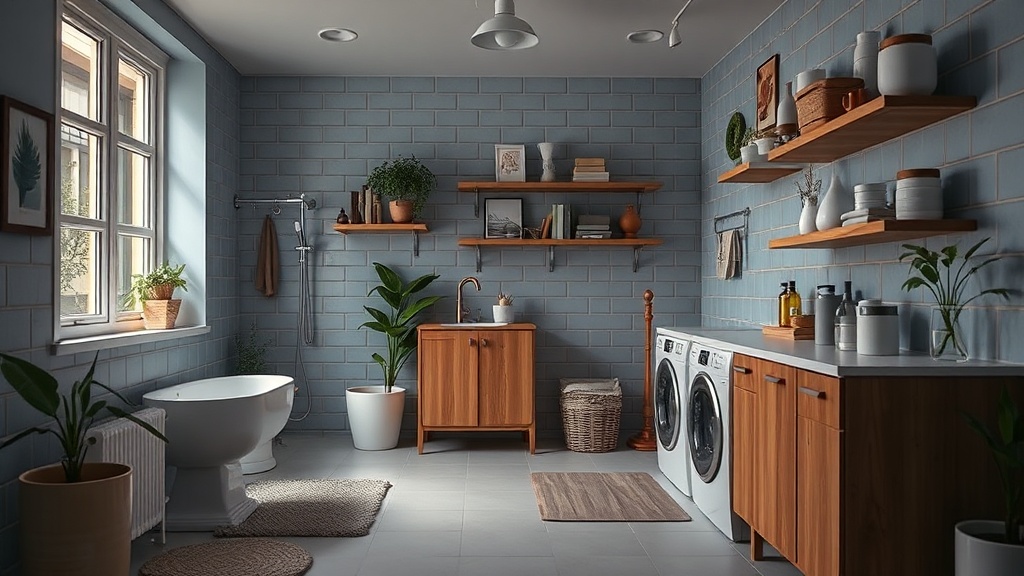
Finding Your Cleaning Groove in a Compact Space

This post covers practical strategies for maintaining a tidy apartment without letting cleaning consume your weekends. You'll learn how to build small habits that prevent mess from accumulating, which tools actually matter in tight quarters, and why the all-or-nothing approach to tidying up rarely works for busy city dwellers.
Why Does My Apartment Get Messy So Fast?
Small spaces have a cruel irony—less square footage means every item out of place becomes immediately visible. That jacket draped over the chair? It's not just clutter; it's an obstacle course. The coffee cup on the counter? It's taking up 15% of your usable workspace.
The problem isn't that you're messy. It's that most cleaning advice assumes you have storage closets, a garage for bulky vacuums, and time for weekly deep cleans. City apartments rarely offer any of these luxuries. When your closet is also your laundry room and your kitchen counter doubles as your desk, traditional cleaning schedules fall apart.
What works instead is a rhythm—small, predictable actions that happen throughout the week rather than marathon sessions on Sunday afternoons. Think of it like brushing your teeth: a two-minute habit that prevents bigger problems. Your apartment needs the same approach.
Which Cleaning Habits Actually Stick?
The habits that survive busy schedules share three qualities: they're tiny, they're tied to existing routines, and they show immediate results. Forget about reorganizing your entire closet or scrubbing the bathroom tiles with a toothbrush. Start with actions that take under 60 seconds.
Here are five that actually work:
- The one-touch rule for clothes — When you take something off, it goes directly on a hanger, in the hamper, or back in the drawer. Never the chair. Never the floor.
- The two-minute reset before bed — Set a timer and put away anything that's migrated to the wrong room during the day. Remote controls, dishes, that pair of shoes.
- The morning sink wipe — While your coffee brews, run a cloth around the bathroom sink. Thirty seconds prevents soap scum buildup that requires heavy scrubbing later.
- The trash-out trigger — Tie taking out the trash to leaving for work. If the bag isn't full, take it anyway. Empty bins don't overflow.
- The Sunday fridge glance — Before you grocery shop, spend two minutes removing anything that has become a science experiment. Don't reorganize—just purge.
These habits work because they prevent mess rather than react to it. Prevention always takes less time than remediation. A two-minute daily action saves you the two-hour weekend cleanup you'd otherwise face.
What Tools Do I Actually Need in a Small Space?
Storage-starved apartments can't accommodate the cleaning arsenals our mothers kept under the kitchen sink. Every item you bring in competes for precious real estate. The solution? Multipurpose tools and better products that reduce the need for specialized equipment.
A high-quality microfiber cloth—yes, just one—can replace paper towels, dusters, and most surface sprays. Damp, it picks up dust better than any feather duster. Dry, it polishes mirrors without streaking. With a drop of dish soap, it handles kitchen counters. You can learn more about microfiber's effectiveness from the EPA's guidance on sustainable cleaning practices.
For floors, consider a lightweight cordless stick vacuum that stores vertically in a corner. Traditional upright vacuums demand closet space you probably don't have. A stick model can live in the gap between your dresser and wall, always charged and ready for the two-minute floor sweep you'll do every other day.
The one specialized product worth the space? A glass cleaner that actually works. City apartments have windows that collect grime from traffic, construction, and whatever mysterious particles float through downtown air. A vinegar-based solution in a spray bottle takes up minimal space and handles windows, mirrors, and glass tabletops without residue.
The Case Against Fancy Cleaning Products
Walk into any home goods store and you'll see entire aisles promising to solve problems you didn't know you had. Stainless steel polish. Granite-specific sprays. Toilet bowl tablets that turn the water blue. Most of these are solutions looking for problems.
In a small apartment, you likely have one type of countertop, one type of floor, and one bathroom. You don't need a product for every surface. A simple all-purpose cleaner, your microfiber cloth, and that glass spray cover 90% of situations. The other 10%? A Magic Eraser (store it under your bathroom sink) handles scuffs, marks, and mysterious stains that somehow appear on white walls.
How Do I Stay Motivated When Cleaning Feels Pointless?
Some days, tidying feels like arranging deck chairs on the Titanic. You know the mess will return. The mail will pile up again. The dishes will reappear. This psychological barrier—why bother when it just gets dirty again?—derails more cleaning routines than lack of time.
The reframe that works: you're not cleaning for the result. You're cleaning for the version of yourself who comes home later. Future-you, walking through the door after a brutal commute, deserves a clear surface to set down keys and a visible couch to collapse onto. You're not fighting entropy; you're being kind to your future self.
Another motivation hack: the "good enough" standard. Your apartment doesn't need to look like a magazine spread. It needs to function. A made bed matters more than perfectly arranged throw pillows. A clear kitchen counter matters more than organized spice racks. Focus on what affects your daily experience, not what impresses guests.
If you live with a partner or roommates, consider a shared approach to household labor that feels fair to everyone involved. The American Psychological Association offers insights on dividing responsibilities in ways that reduce conflict and resentment.
When Should I Deep Clean vs. Maintain?
Even with good daily habits, every apartment needs occasional deeper attention. The key is scheduling these sessions before things become disgusting. Mark your calendar for seasonal tasks: washing windows in spring, vacuuming under furniture in fall, scrubbing the bathroom grout before it turns permanently gray.
Deep cleaning works best when you batch similar tasks. Don't try to tackle the entire apartment in one day—that's how cleaning becomes a dreaded marathon. Instead, assign zones to different weekends. Kitchen deep clean on the first Saturday of the month. Bathroom scrub on the third. This spreads the effort and prevents burnout.
For renters, documenting your deep cleaning helps when it's time to move. Take photos of appliances, carpets, and walls after thorough cleaning. These records protect your security deposit and provide proof if disputes arise. The Financial Consumer Agency of Canada provides guidance on understanding your rights and responsibilities as a tenant.
Embracing the Cycle
Here's the truth no one tells you: your apartment will never be "done." Cleaning isn't a project with a finish line; it's a continuous cycle like doing laundry or buying groceries. Once you accept this, the pressure lifts. You stop expecting perfection and start appreciating progress.
The goal isn't a spotless apartment that stays pristine. It's a space that supports your life without adding stress. Some days will be messy. Some weeks, the dishes will pile up. That's normal. The habits you build aren't about preventing all mess—they're about making recovery faster and easier.
Start with one habit from this post. Just one. Master it until it feels automatic, then add another. In three months, you'll have a cleaning rhythm that feels effortless, a space that welcomes you home, and your weekends back for things you'd rather be doing than scrubbing.