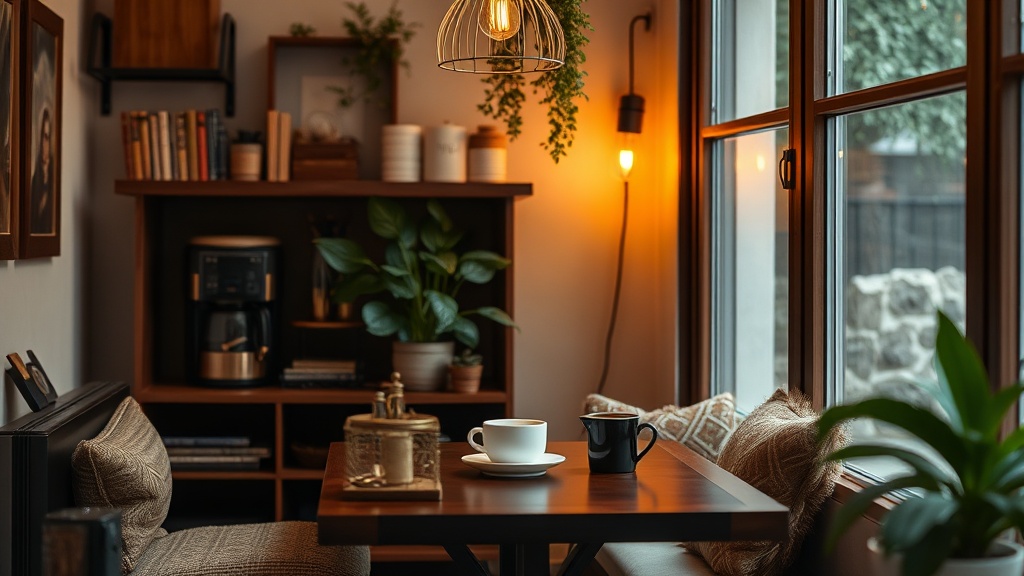
Curating a Coffee Nook for Your Morning Ritual

Imagine a kitchen counter cluttered with half-empty cereal boxes, a stack of mail, and a stray set of keys. Somewhere in that mess, a single coffee mug sits lonely next to a leaking bag of grounds. It’s a chaotic start to a Tuesday. This post explores how to reclaim that space by building a dedicated coffee nook—a small, intentional corner designed to turn a rushed caffeine hit into a steady morning ritual. We’ll look at the hardware, the aesthetics, and the organization needed to make it happen.
A coffee nook isn't just about having a place to put a machine. It’s about creating a mental boundary between "sleep mode" and "active mode." When you have a dedicated spot, you aren't just grabbing a drink; you're stepping into a ritual.
Where is the best place to put a coffee station?
The best place for a coffee station is a flat, accessible surface near a power outlet and a water source. You want to minimize the distance you travel between the sink and your machine to prevent spills or drips on your floor. A kitchen countertop is the standard choice, but don't overlook a small sideboard in the dining room or a dedicated corner in your living area if you want to keep the "café vibe" away from food prep.
Consider these three common locations:
- The Kitchen Counter: Best for accessibility and proximity to the sink.
- The Sideboard or Buffet: Great for keeping the "coffee mess" away from actual meal prep.
- The Dedicated Bar Cart: Perfect for smaller apartments where every inch of counter space is precious.
If you’re working with a small studio apartment, a rolling cart can be a lifesaver. It allows you to move your station if you need to clear space for cooking or hosting. It’s a flexible way to add a sense of luxury to a compact living space without permanent construction.
If you find that your morning routine feels a bit chaotic otherwise, you might want to check out the one habit that fixes your day. A structured morning often starts with these small, physical anchors.
What coffee equipment do I actually need?
The equipment you need depends entirely on your preferred brewing method and your budget. You don't need a professional-grade setup to have a great experience, but having the right tools makes the process much smoother.
I've broken down the most common setups below to help you decide which direction fits your lifestyle.
| Method | Vibe | Investment Level | Example Product |
|---|---|---|---|
| Espresso Machine | The "Barista" experience | High | Breville Barista Express |
| Pour Over | Slow, mindful, and quiet | Low to Medium | Hario V60 |
| French Press | Rugged and reliable | Low | Bodum Chambord |
| Automatic Drip | Efficiency and speed | Low to Medium |
If you are a fan of the ritual, the Hario V60 is a classic choice. It’s simple, but it requires a certain level of focus—which is exactly what you want for a morning routine. On the other hand, if you just want coffee and you want it now, a high-quality drip machine like a Technivorm Moccamaster will get the job done without the fuss.
Don't forget the grinder. Even a basic machine can be improved significantly by using fresh-ground beans. A hand grinder is a great way to keep the process tactile and quiet—perfect for early mornings when you don't want to wake up the whole house.
How do I organize my coffee supplies?
Organization is the difference between a "coffee station" and a "cluttered corner." You should group your items by frequency of use and keep your most used tools within arm's reach.
Start with the basics: a container for your beans, a tray for your tools, and a way to manage your syrups or sweeteners. Using glass jars for coffee beans or sugar looks much better than leaving the original plastic bags sitting out. It also keeps things airtight. You can find various airtight storage solutions at stores like IKEA to keep your beans fresh and your counter looking intentional.
Here is a quick checklist for a functional setup:
- The Foundation: A tray or a dedicated section of the counter to define the space.
- The Vessel: A beautiful mug or two that you actually enjoy using.
- The Flavor: A small station for syrups, cinnamon, or honey.
- The Cleanup: A small microfiber cloth tucked away for quick spills.
It’s worth noting that a messy station leads to a messy mind. If your coffee corner is covered in spilled grounds and sticky syrup rings, you won't feel that sense of peace you're aiming for. Keep it clean, keep it simple.
Designing the Aesthetic
A coffee nook should look like a part of your home, not an afterthought. This means choosing a color palette or a style that matches your existing decor. If your kitchen is modern and minimalist, a sleek matte black espresso machine will look right at home. If you prefer a more rustic or "lived-in" look, a wooden tray and ceramic jugs will work better.
Lighting also plays a huge role. If your nook is in a dark corner, a small, battery-operated lamp or even a nearby candle can change the entire mood. It makes the space feel cozy rather than just another utility area. It's those little details—the texture of a linen towel, the weight of a ceramic mug—that turn a task into a ritual.
Sometimes, we get too caught up in the "stuff." You don't need every gadget on the market to have a beautiful station. Often, a single high-quality pour-over kettle and a nice jar of beans are more than enough. The goal is to create a sense of calm, not a museum of coffee gear.
If you're someone who appreciates a well-organized life, you might enjoy reading about embracing a simpler, sustainable life. A coffee nook is a perfect entry point into that mindset—it's one small area of your home that you can control and refine.
Ultimately, your coffee nook should serve you. If you find that you're spending too much time cleaning it or that it's getting in the way of your cooking, scale it back. It’s your space. It should feel like a gift to yourself every morning, not another chore on the to-do list. Whether you're a coffee purist or just someone who needs a caffeine kick to face the city, making this space intentional is a small way to reclaim your time.
Steps
- 1
Choose Your Dedicated Space
- 2
Select a Base Surface
- 3
Organize Your Brew Essentials
- 4
Add Personal Aesthetic Touches